The mucus plug, a crucial component within the cervix, plays a vital role throughout pregnancy, acting as a protective barrier for the developing fetus. Its formation, expulsion, and even its symbolic representation in dreams offer insights into the physiological changes occurring in a woman's body and the subconscious mind. This article delves into the multifaceted nature of the mucus plug, exploring its biological function, the signs of its expulsion, and the diverse interpretations of dreaming about it.
What is the Mucus Plug and Why Does it Form?
The mucus plug is a dense, gelatinous substance that forms in the cervical canal during early pregnancy. Its primary function is to seal off the uterus, preventing bacteria, viruses, and other harmful agents from entering and potentially infecting the developing fetus and amniotic sac. This protective barrier is created by the glands in the cervix, stimulated by hormonal changes that occur after conception. As pregnancy progresses, the mucus plug becomes an essential component in maintaining a sterile environment for the baby.
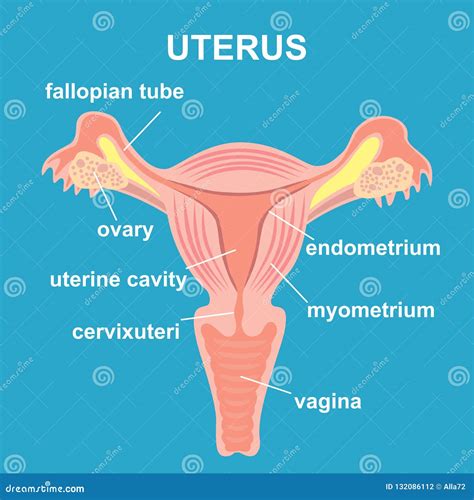
The formation of the mucus plug begins early in pregnancy. Hormonal influences stimulate the cervical glands to secrete a thick, gelatinous material. This material gradually accumulates, creating a physical seal that effectively closes off the cervical canal. This "plugging" action is vital for protecting the pregnancy from external threats. The consistency and appearance of the mucus can vary, but its core purpose remains the same: to safeguard the uterine environment.
Recognizing the Loss of the Mucus Plug
The loss of the mucus plug is a significant event that typically occurs in the later stages of pregnancy, signaling that the body is preparing for labor and delivery. It is generally a simple phenomenon to recognize, characterized by the discharge of a substantial amount of clear to yellowish, gelatinous mucus. This discharge may also contain small amounts of blood, appearing as pinkish or brownish streaks.
It is important to distinguish the loss of the mucus plug from normal vaginal discharge during pregnancy. While increased vaginal discharge (leucorrhea) is common throughout gestation, the mucus plug is typically thicker, more gelatinous, and often more abundant than everyday discharge. It might appear as a stringy or clumpy substance on underwear.
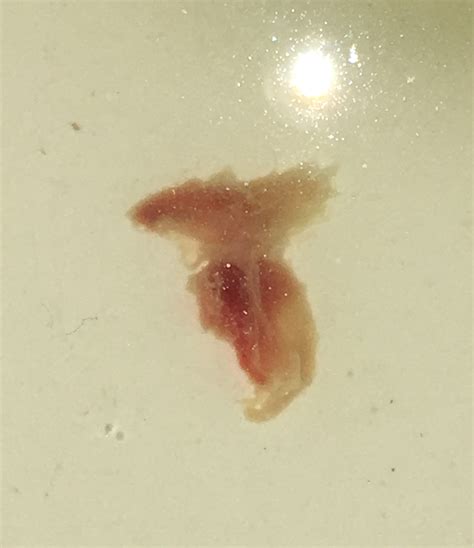
While the loss of the mucus plug is usually noticeable, it is possible for some women to miss it. The plug can be expelled in small amounts over time, or its expulsion might be subtle enough to go unnoticed. Minor events, such as an internal pelvic examination or sexual intercourse, can sometimes trigger the release of the plug or a portion of it. The presence of blood streaks is due to the rupture of tiny capillaries in the cervix as it begins to soften and dilate.
When Does the Mucus Plug Typically Come Loose?
The expulsion of the mucus plug generally occurs in the final weeks of pregnancy, often starting around the 36th week of gestation or later. This event is closely associated with the physiological changes that precede labor. The cervix begins to soften, efface (thin out), and dilate in preparation for childbirth. These changes in the cervix can lead to the dislodgement and expulsion of the mucus plug.
It is crucial to understand that the loss of the mucus plug is not always an immediate indicator of active labor. It can occur during the prodromal labor phase, which are the early signs and symptoms that precede true labor. For some women, the expulsion of the mucus plug may happen days or even a week or two before labor begins. In other instances, the loss of the mucus plug can coincide with the onset of labor, particularly in women who have previously given birth.
Significance of Mucus Plug Loss in Dreams
Beyond its physiological implications, dreaming about losing the mucus plug carries symbolic weight, often interpreted as a reflection of impending changes, new responsibilities, and personal growth. The interpretation can vary, but common themes emerge.
New Responsibilities and Personal Boundaries: Dreaming of losing the mucus plug can signify that new responsibilities and duties are on the horizon, requiring significant time and attention. It suggests a need to learn about setting boundaries and understanding that one cannot be everything to everyone. This dream may be a subconscious reminder to prioritize and delegate effectively.
Embracing Change and Letting Go: The expulsion of the mucus plug in a dream can symbolize a release of old patterns or a shedding of what is no longer serving you. It indicates that significant life changes are on the horizon, and while they may seem daunting, they are necessary for growth. The dream advises against resisting these transformations and encourages embracing them with an open mind.
Insecurity and Inner Strength: Sometimes, dreaming about losing the mucus plug can point to feelings of insecurity, even when experiencing happiness and love. It suggests an underlying uncertainty about one's capabilities or the future. However, the dream also carries a powerful message of inner strength, reminding the dreamer that they possess the power to achieve the seemingly impossible. It encourages tapping into this latent power and believing in one's ability to overcome challenges.
Is it normal to have discharge after losing your mucus plug?
Emotional Cleansing and Renewal: The act of losing something can be associated with a need for cleansing or renewal. Dreaming of losing the mucus plug might indicate that something in your life needs to be addressed, cleaned up, or changed immediately. It’s a prompt to clear out clutter, both physical and emotional, to make space for new beginnings.
A New Way of Loving and Living: In some interpretations, dreaming of losing the mucus plug signifies the emergence of a new way of loving and living. This suggests a potential for emotional recovery and a shift towards more fulfilling relationships and experiences. It implies that past difficulties will be overcome, leading to a brighter outlook.
When to Seek Medical Advice Regarding Mucus Plug Loss
While the loss of the mucus plug is a normal part of late pregnancy, certain circumstances warrant medical attention.
Color and Consistency: The typical mucus plug is whitish or clear and may have slight blood streaks.
- Yellow or Green Mucus with Foul Odor: If the mucus plug appears yellow or green and has an unpleasant odor, it could indicate an infection. It is advisable to contact your gynecologist for an examination and potential treatment. This is important to prevent the infection from being transmitted to the baby during delivery.
- Dark Brown or Red Mucus: While some blood streaking is normal, if the mucus plug is dark brown or contains significant amounts of bright red blood, it is essential to consult your doctor. This could indicate a more substantial loss of blood, which may require further investigation.
Timing of Expulsion:
- Premature Loss: If the mucus plug is lost significantly before the 36th week of gestation, it is advisable to inform your healthcare provider. While not always indicative of a problem, it warrants a check-up to ensure the pregnancy is progressing normally and to assess any potential risks of preterm labor.
- Abundant Bleeding: If the discharge associated with the mucus plug is very heavy and resembles menstrual bleeding, it is crucial to seek immediate medical attention at the nearest emergency room. This could signify a more serious complication, such as placenta previa or placental abruption.
Accompanying Symptoms:
- Rupture of Membranes: If the loss of the mucus plug is accompanied by a gush or continuous leakage of watery fluid, it could indicate that your water has broken (rupture of the amniotic membranes). In such cases, it is advisable to contact your doctor or midwife for guidance.

The Mucus Plug's Protective Role
The mucus plug's role extends beyond simply signaling the approach of labor. It is a critical protective mechanism throughout pregnancy. By sealing the cervical canal, it acts as a physical barrier against ascending infections. This is particularly important because the cervix is a potential entry point for pathogens from the vaginal environment. The dense, viscous nature of the mucus makes it difficult for microorganisms to penetrate.
During pregnancy, hormonal changes influence the cervical mucus. In the early stages, the mucus is typically thick and less permeable. As pregnancy progresses and the body prepares for childbirth, the hormonal balance shifts, leading to changes in the mucus. The softening and effacement of the cervix, coupled with hormonal fluctuations, contribute to the eventual release of the plug.
The Science Behind Mucus Plug Changes
The composition and appearance of cervical mucus undergo significant transformations throughout a woman's reproductive life, including during pregnancy. After menstruation, under the influence of estrogen, cervical mucus becomes more fluid and watery, facilitating sperm transport during the fertile window. This "fertile" mucus, often resembling egg-white consistency, is crucial for conception.
Post-ovulation, progesterone dominates, leading to the production of a thicker, stickier mucus that helps to prevent sperm from entering the uterus, thus maintaining a protective environment. During pregnancy, this mucus thickens considerably to form the mucus plug. The plug is essentially a collection of cervical secretions that become more concentrated and viscous.
Even after the initial expulsion of the mucus plug, the body may continue to produce mucus. In some cases, the mucus plug can even regenerate if a portion is lost. However, the body's ability to produce and maintain the plug diminishes as labor approaches.
Navigating the Final Weeks of Pregnancy
The final weeks of pregnancy are a time of anticipation and physical change. Understanding events like the loss of the mucus plug can help expectant mothers feel more informed and prepared. While it's a sign that labor is drawing nearer, it's not a definitive countdown to delivery. The timing varies greatly among individuals.
It is essential for pregnant individuals to remain attuned to their bodies and to communicate any concerns with their healthcare providers. The mucus plug, in its various forms and timings of expulsion, is a natural part of the pregnancy journey, offering subtle yet important clues about the body's readiness for birth. By understanding its biological function and potential interpretations, women can navigate this phase with greater confidence and peace of mind.